Understanding the Role of Pallet Manufacturers in Modern Industry
Introduction
Pallets have become an essential part of contemporary logistics and supply chain management. They function as the structure for stacking and transporting goods effectively. With the ever-growing need for reliable storage and transportation options, the function of pallet producers is progressively critical. This post delves into the expertise of pallet makers, the types of pallets they produce, their significance in different industries, and addresses some often asked concerns.
The Importance of Pallets in Supply Chains
Pallets are not just platforms; they are important elements that facilitate the motion of products. Here are a couple of reasons why pallets are so essential:
- Efficiency: Pallets simplify the loading and unloading procedure, making it much faster and more efficient.
- Security: Properly designed pallets lower the risk of mishaps during transport and handling.
- Affordable: Using pallets can lead to reduced labor expenses and lower transportation expenses.
- Standardization: Most pallets adhere to specific sizes, making them suitable with different storage systems and shipping approaches.
Table 1: Key Benefits of Using Pallets
| Advantage | Description |
|---|---|
| Effectiveness | Streamlined loading and unloading procedures. |
| Safety | Lowers the threat of item damage and office mishaps. |
| Cost-effectiveness | Lower functional costs through much better logistics. |
| Standardization | Compatibility with different storage services and equipment. |
Types of Pallets Manufactured
Pallet makers produce a variety of pallets to satisfy the varied requirements of various industries. Here's a short introduction of the most common types:
1. Wooden Pallets
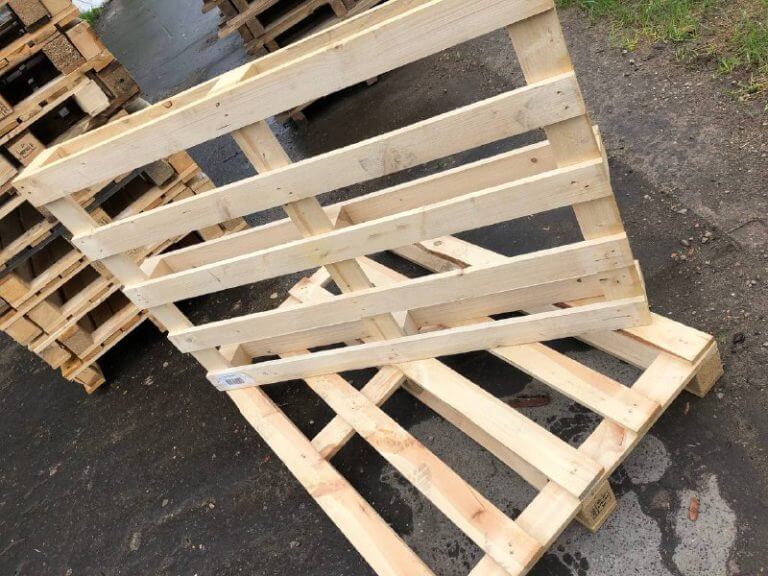
The most traditional kind of pallets, wooden pallets, are flexible and extensively used. They can be found in different designs, including block and stringer styles.
2. Plastic Pallets
Plastic pallets are lightweight, resistant to wetness, and durable. agronytradingllc.com are typically used in markets like pharmaceuticals and food processing, where hygiene is paramount.
3. Metal Pallets
Metal pallets, made from steel or aluminum, supply exceptional strength and longevity. They are ideal for durable applications, such as automobile or aerospace industries.
4. Composite Pallets
Made from a combination of products, composite pallets offer the benefits of both plastic and wood. They are typically used for particular applications where a hybrid option is needed.
Table 2: Types of Pallets and Their Applications
| Pallet Type | Key Features | Typical Applications |
|---|---|---|
| Wooden Pallets | Durable, economical, naturally degradable | Warehousing, shipping |
| Plastic Pallets | Light-weight, moisture-resistant | Food, pharmaceuticals |
| Metal Pallets | High strength, long-lasting | Automotive, industrial manufacturing |
| Composite Pallets | Hybrid material, flexible | Specialized applications |
Picking the Right Pallet Manufacturer
Picking a proper pallet manufacturer is essential for ensuring the quality and dependability of pallets. When thinking about a pallet manufacturer, here are some bottom lines to keep in mind:
- Quality Assurance: Look for makers that stick to strict quality requirements and have accreditations in place.
- Personalization Options: Consider manufacturers that provide personalized pallets to fit specific business needs.
- Sustainability Practices: More companies are choosing environmentally friendly products, so check if the manufacturer uses sustainable practices.
- Experience and Reputation: A company with a solid track record and years in the industry is most likely to provide better service and products.
Table 3: Factors to Consider When Choosing a Pallet Manufacturer
| Aspect | Description |
|---|---|
| Quality control | Look for certifications and requirements followed. |
| Customization Options | Ensure schedule of tailored pallets for distinct needs. |
| Sustainability Practices | Evaluate the manufacturer's ecological duties. |
| Experience and Reputation | Try to find proven track records in the market. |
Frequently Asked Questions (FAQs)
Q1: What materials are best for pallets?
A1: The best material for pallets depends upon the particular application. Wooden pallets are versatile, plastic pallets are sanitary, metal pallets are strong, and composite pallets provide a mix.
Q2: How do I understand if I need custom-made pallets?
A2: If your items have special dimensions, weight requirements, or managing processes, custom pallets can enhance effectiveness and safety.
Q3: What industries benefit most from utilizing pallets?
A3: Industries such as food and beverage, pharmaceuticals, automotive, and retail heavily rely on pallets for logistics and supply chain management.
Q4: How are pallets recycled?
A4: Wooden pallets can frequently be repaired or repurposed, while plastic pallets can be ground down and remolded into new pallets, making recycling highly efficient.
Q5: What are the average expenses of different types of pallets?
A5: Costs can vary based on size, material, and amount. Usually, wooden pallets are the most cost-effective, followed carefully by plastic, while metal pallets tend to be more costly.
Pallet producers play a crucial function in producing the backbone of contemporary supply chains. By understanding the different kinds of pallets and the aspects to consider when choosing a manufacturer, companies can boost their logistics and enhance general effectiveness. As the need for effective and safe transportation options continues to grow, the significance of quality pallets and their makers will stay vital.
Investing time in picking the ideal pallet manufacturer can cause considerable functional enhancements and, ultimately, contribute to a business's bottom line.